
Posted on Categories TechTags , ,

The Impact of Emerging Technologies on Education and Learning

Education has always evolved alongside societal and technological changes. Today, emerging technologies are transforming the way students learn and teachers instruct. Tools such as artificial intelligence, virtual reality, augmented reality, and adaptive learning platforms are redefining classrooms. These innovations make learning more interactive, accessible, and personalized. Students can engage with material in ways that were impossible just a decade ago. Technology allows educators to reach a wider audience while catering to individual learning styles. This article explores the impact of emerging technologies on education and learning.

Digital Classrooms and Online Learning

The rise of digital classrooms has expanded access to education. Online platforms allow students to learn from anywhere, breaking geographical barriers. Video lectures, discussion forums, and interactive modules provide flexibility. Learners can pace their studies according to personal needs. This approach ensures that education is no longer confined to physical classrooms. The accessibility of online learning tools has opened opportunities for students who might otherwise face barriers to education.

Artificial Intelligence in Education

Artificial intelligence (AI) is revolutionizing learning environments. AI-powered tools can analyze student performance, identify gaps, and provide personalized recommendations. Adaptive learning systems adjust content difficulty based on individual progress. This creates a tailored educational experience that meets students where they are. AI also assists teachers by automating grading and administrative tasks, freeing them to focus on instruction. The integration of AI enhances both efficiency and engagement in modern classrooms.

Virtual and Augmented Reality
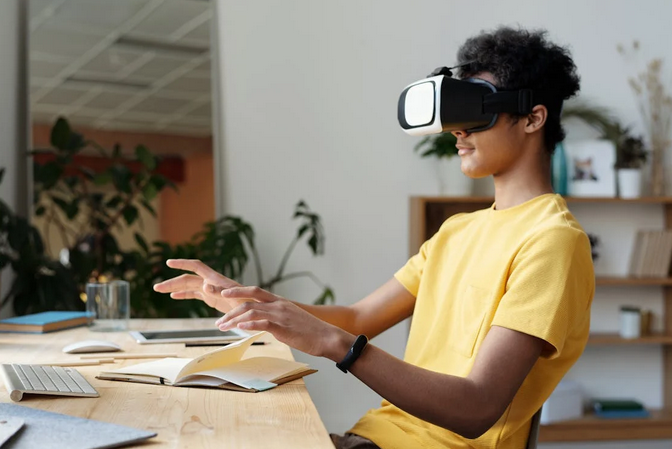
Virtual reality (VR) and augmented reality (AR) offer immersive learning experiences. Students can explore historical sites, conduct science experiments, or visualize complex concepts in a simulated environment. These technologies make abstract topics more tangible and memorable. Learning becomes an experience rather than a passive activity. By using VR and AR, educators can provide unique experiences that increase comprehension and retention. This approach is particularly effective for visual and experiential learners.

Gamification and Interactive Learning

Gamification applies game-like elements to educational content. Points, badges, and leaderboards motivate students to engage actively with material. Interactive simulations and challenges create a sense of achievement. This approach transforms learning into a more dynamic and enjoyable process. Gamification encourages participation, critical thinking, and problem-solving. Students are more likely to retain information when lessons are engaging and interactive.

Collaboration Through Technology

Emerging technologies facilitate collaboration beyond the traditional classroom. Cloud-based platforms, shared documents, and virtual whiteboards allow students to work together in real time. Peer-to-peer learning and group projects can occur even when participants are in different locations. Collaboration tools help students develop communication, teamwork, and leadership skills. Technology ensures that collaborative learning is flexible, efficient, and inclusive.

Access to Global Knowledge
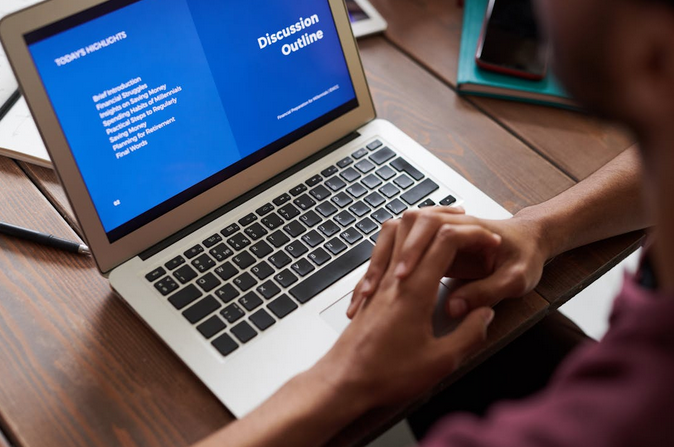
Technology provides students with access to vast amounts of information. Digital libraries, open educational resources, and online courses make knowledge more accessible than ever. Students can explore topics beyond their curriculum, engage with experts, and participate in global learning communities. This exposure broadens perspectives and encourages critical thinking. Emerging technologies ensure that education is no longer limited to textbooks and local resources.

Teacher Support and Professional Development

Technology also benefits educators by supporting professional growth. Online training modules, webinars, and AI-driven analytics provide teachers with insights into student performance and instructional effectiveness. Professional development tools help teachers refine techniques and implement innovative teaching strategies. Continuous learning for educators ensures that they can meet the evolving needs of students in a technologically advanced world.

Challenges and Considerations

While emerging technologies offer significant benefits, they also present challenges. Access to devices and reliable internet can be unequal, creating disparities. Overreliance on technology may reduce critical thinking if not integrated thoughtfully. Educators must balance innovation with traditional teaching methods to maintain engagement and understanding. Proper training and careful implementation ensure that technology enhances rather than hinders learning outcomes.

Emerging technologies are reshaping education in unprecedented ways. Digital classrooms, AI, VR, AR, gamification, and collaboration tools are making learning more interactive, personalized, and accessible. Teachers benefit from support systems that enhance instruction and professional growth. Students gain opportunities to explore, experiment, and connect with knowledge on a global scale. While challenges remain, thoughtful integration ensures that technology strengthens education rather than replacing essential human interaction. These tools create a unique learning environment that fosters engagement, understanding, and creativity for the students of today and tomorrow.…

Posted on Categories TechTags , ,

The Future Is Now: How Biometric Security Is Outpacing Traditional Methods

In a world where convenience meets cutting-edge technology, the way we safeguard our identities and assets is undergoing a seismic shift. Gone are the days of fumbling for keys or remembering complex passwords—biometric security has emerged as the vanguard of personal and digital protection. From fingerprint scanners to facial recognition systems, these innovative methods are not just futuristic fantasies; they’re reshaping our everyday lives right now. Join us as we explore how biometric security is outpacing traditional methods, transforming everything from banking to home security, and ensuring that your most sensitive information remains locked away tight in an increasingly interconnected world. The future isn’t just on its way—it’s already here.

What Is Biometric Security?

Biometric security uses physical or behavioral characteristics—like fingerprints, facial features, and even iris patterns—to verify a person’s identity. It’s a system that relies on traits unique to each individual, making it much harder for someone to hack or duplicate compared to traditional security measures. Unlike passwords that can be forgotten or stolen, biometric data is inherently tied to you, which adds an extra layer of security.

The Shift Away From Passwords

print

One of the most significant changes happening in the security world is the decline of traditional passwords. Passwords have long been the go-to for securing devices and accounts, but they come with their own set of problems. For one, many people struggle to create strong passwords and end up using weak or repetitive ones. Not to mention, there’s always the risk of passwords being stolen through phishing attacks or data breaches. Biometric security, on the other hand, eliminates this issue by relying on traits that are much harder to compromise. Fingerprint scanners, for example, are commonly used in smartphones to unlock devices. These scans are fast, accurate, and much more difficult for hackers to replicate. You can forget your password, but you can’t forget your fingerprint—making biometrics a highly reliable and convenient option.

The Rise of Facial Recognition

Facial recognition is one of the most widely adopted forms of biometric security, and it’s being integrated into everything from smartphones to airport security. Companies like Apple and Samsung have included facial recognition technology in their gadgets, permitting users to unlock their phones, make payments, or access apps simply by looking at their screens.

What makes facial recognition so appealing is its convenience and non-intrusiveness. Unlike fingerprint scanning, which requires physical contact, facial recognition works without you needing to touch your device. It’s also a contactless method, which makes it particularly attractive in today’s world where hygiene and avoiding physical contact are top priorities. With the advancement of AI and machine learning, facial recognition has become incredibly accurate and reliable, making it a popular choice for both personal and professional security.

Fingerprint Scanning: Still Going Strong

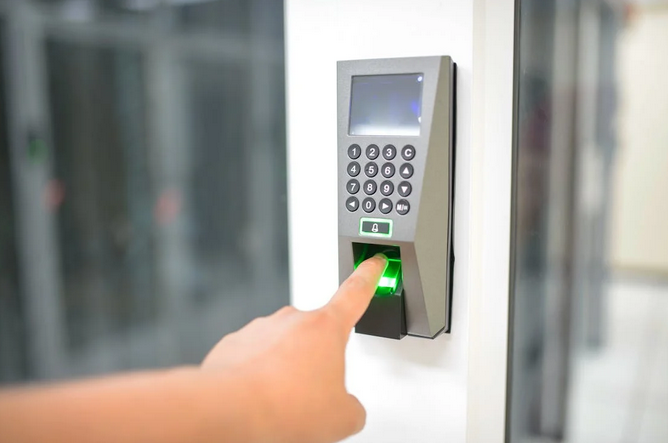
Even with the rise of facial recognition, fingerprint scanning remains one of the most popular forms of biometric security. It’s already commonplace in smartphones, laptops, and even door locks. The reason for its lasting appeal is simple: it’s quick, easy, and effective. Most people are familiar with fingerprint scanning since it’s been around for a while. The technology works by scanning the unique ridges and patterns on your fingertip, which are then used to verify your identity. It’s one of the fastest methods of biometric security and offers a high level of accuracy. Whether you’re logging into your phone or accessing a secure building, fingerprint scanning makes the process more efficient and secure.

The Future of Biometric Security

fingerprint

As technology continues to evolve, the possibilities for biometric security are expanding. For example, voice recognition and retinal scans are starting to gain traction, especially in high-security environments. Voice recognition uses your unique voice patterns to authenticate identity, making it ideal for remote verification or systems where you don’t want to use your hands or face. Additionally, some companies are exploring the use of more advanced biometrics, such as vein patterns or heartbeat rhythms. The goal is to make biometric security even more secure by relying on traits that are even harder to fake. Shortly, it’s likely that biometric security will become even more integrated into our daily lives, from unlocking cars to accessing healthcare information.

The Security Benefits

What makes biometric security particularly attractive is the added layer of protection it provides. Since biometric data is unique to each individual, it’s much more difficult for someone to impersonate you. For example, while someone could hack a password, they can’t fake your fingerprint or facial features with the same level of precision. Additionally, biometrics often require multi-factor authentication (MFA) for an added layer of security. For example, you might need to use both facial recognition and a fingerprint scan to gain access to sensitive information. This increased level of security is a big reason why many businesses, governments, and individuals are making the switch from traditional methods to biometrics.

Privacy and Ethical Concerns

Of course, with any new technology, there are concerns, and biometric security is no exception. Privacy and ethical issues are at the forefront of the conversation. Since biometrics are tied to your identity, there’s the potential for misuse or unauthorized access to sensitive data. Additionally, facial recognition technology, in particular, has raised concerns about surveillance and tracking, leading some to call for regulations to protect individual privacy. To address these concerns, many experts are advocating for stricter privacy laws and transparency around how biometric data is collected, stored, and used. While biometric security offers many benefits, it’s important to strike a balance between convenience and privacy to ensure that personal data remains secure.

As the technology continues to improve, we’ll likely see even more integration of biometrics into our daily lives. While there are privacy concerns that need to be addressed, there’s no denying that biometric security is here to stay. If you haven’t yet embraced biometrics, now might be the perfect time to explore how these innovative systems can enhance your security.…